

When the Malaysia International Football Association invited me to speak at their annual coaching forum in early 2026, I expected to deliver a version of my individual performance workshop. What emerged over two days was something I had not fully anticipated: a conversation about what happens to mental performance when individual minds come together as a team.
An Unexpected Invitation
The MIFA forum brought together football coaches from youth academies, state leagues, and the national training programme. These were experienced coaches — people who had spent decades studying how athletes develop. My role was to introduce the neurological basis of visualisation and demonstrate practical techniques they could bring back to their training sessions.
What struck me immediately was the nature of the questions they asked. Very few were about individual players. Most were about the team. How do you get eleven players to share a mental model of the match before it begins? How do you help a team recover its collective confidence after a loss? How do you build the psychological cohesion that allows players to anticipate each other's decisions without verbal communication?
The Team Mind Problem
Individual mental performance is well-studied. We know how visualisation affects a single athlete's motor cortex, anxiety levels, and confidence. Team mental performance is a different and considerably more complex challenge.
When a team performs at its best, something remarkable happens. Individual players enter what psychologists call a shared mental model — a common understanding of the situation and each other's likely actions that allows for fluid, almost effortless coordination. Championship teams describe this as being 'in sync.' The scientific literature calls it transactive memory and collective efficacy.
Visualisation can build this — but it requires deliberate design.
What Collective Visualisation Actually Looks Like
On the second day of the MIFA forum, I ran an adapted collective visualisation session with twelve coaches who agreed to participate as both facilitators and subjects.
We began with a shared regulation exercise — five minutes of synchronised breathing. Research on interpersonal synchrony suggests that when people breathe together, their physiological states converge, and this convergence increases feelings of trust and social cohesion.
Then I guided the group through a collective scenario: defending a one-goal lead in the final fifteen minutes of a match. Each participant was asked to visualise not just their own role but their awareness of the players around them. The discussion that followed was among the most energised I have experienced in a professional development setting.
Three Lessons from the MIFA Workshop
The first lesson: making mental models explicit is itself powerful. When coaches named their assumptions about how their players think during pressure moments, patterns of misalignment became visible — and correctable.
The second lesson: collective regulation precedes collective performance. A team cannot enter a shared mental flow state if its members are in different physiological states — some anxious, some under-aroused, some distracted. Shared regulation practices help synchronise the group's nervous systems before high-stakes moments.
The third lesson: visualisation should be practised together, not just individually. When an entire team rehearses a specific scenario mentally — each player imagining their own role while aware of the whole — they build shared neural preparation that shows up as better coordination on the pitch.
What This Means for Your Team
These principles apply far beyond football. Leadership teams, corporate project groups, and professional service firms all face versions of the team mind problem: how do you create psychological coherence in a group of individuals who each have their own pressures and mental models of the situation?
The answer begins with the same principles that work for athletes: shared regulation, explicit mental model building, and collective visualisation of the specific challenges the team faces together.
The Bottom Line
The MIFA forum reminded me that the most interesting applications of visualisation coaching are collective. When a team learns to think together before they act together, something shifts. The communication becomes easier. The trust deepens. The performance improves.
If you lead a team and are curious about what collective mental performance coaching could look like for your group, I would be glad to have a conversation. Book a free discovery call to explore the possibilities.
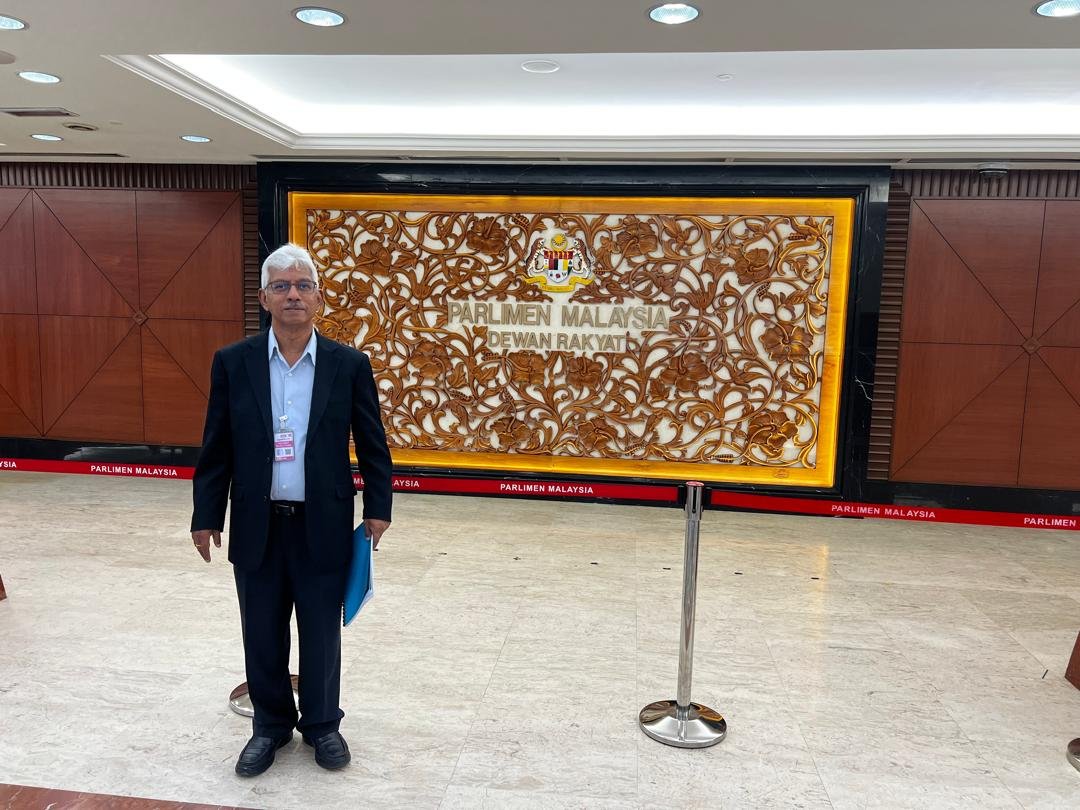
Coach Rajan
Malaysia's evidence-based visualisation coach. Helping professionals, executives, and students achieve peak mental performance since 2020.
About Coach Rajan →